- By Steven
- June 25, 2025
- Comments (0)
Choosing between a turboprop and jet engine aircraft can feel daunting. Whether you’re a private pilot, a corporate decision-maker, or an aviation enthusiast seeking insight, understanding the key differences between these two propulsion systems can help inform your choices.
This guide by Tri-Point Aviation explores the performance, cost, and best use cases of turboprops and jets. By the end, you’ll have a clear understanding of which option aligns best with your specific needs.
What Is a Turboprop vs a Jet Engine?
Turboprop Explained
A turboprop engine combines the benefits of a propeller with jet engine mechanics. The engine powers a propeller outside the fuselage, using a turbine for propulsion. This system is efficient for short to mid-length flights and provides excellent fuel economy at slower speeds.
Key Features of Turboprops:
Best suited for low to medium altitudes and speeds.
Operates efficiently at around 25,000 to 30,000 feet.
Commonly used for short-haul routes and smaller aircraft.
Learn how turboprops align with aircraft maintenance strategies and cost-effective aviation solutions.
Jet Engine in Brief
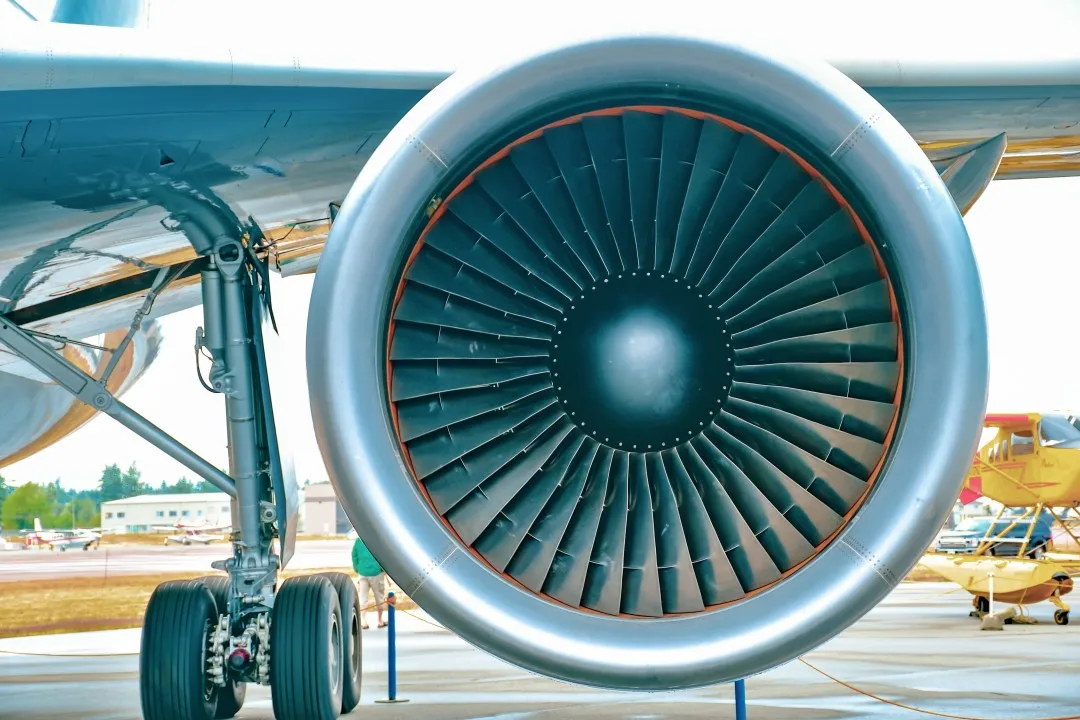
Jet engines operate by compressing air and mixing it with fuel, igniting combustion that propels the aircraft forward at high speeds. They are celebrated for their power and ability to cover long distances quickly.
Key Features of Jet Engines:
Designed for high-speed, long-distance travel.
Operates efficiently at altitudes above 30,000 feet.
Commonly used for commercial airlines, private jets, and corporate travel.
Explore more about jet customization and luxury aviation consulting with our tailored services.

Performance Comparison
When assessing turboprop versus jet aircraft performance, key criteria include speed, range, and operational capabilities.
Speed
Jet Engine: Jets dominate the skies with cruising speeds between 500-600 mph, ideal for long-haul flights.
Turboprop: Typically cruises around 250-400 mph. Ideal for short distances and regional routes.
Range
Jet Engine: Long-range capability up to 6,000 miles—perfect for international travel.
Turboprop: Up to 2,000 miles; suitable for regional connectivity.
Maneuverability
Turboprops offer better maneuverability at lower speeds, making them excellent for shorter runways. For luxury and global access, jet aircraft sales listings can be explored with our experts.
Cost Differences
When evaluating costs, consider purchase price, operational expenses, and maintenance.
Purchase Price
Turboprops: Range between $2M–$8M.
Jets: Starting from $3M to over $100M for high-end private jets.
Operational & Maintenance Costs
Turboprops are more fuel-efficient and offer lower maintenance costs, making them ideal for budget-conscious operations. Jets demand greater fuel consumption and specialized upkeep.
Dive deeper into our aircraft maintenance blog or explore our tactical aircraft maintenance guide.
Best Use Cases
When to Choose a Turboprop
Regional Connections: Short-haul or regional routes.
Budget Efficiency: Lower fuel and maintenance costs.
Runway Versatility: Ideal for small or remote airports.
See how our bespoke aircraft solutions tailor to versatile flight operations.
When to Opt for a Jet
Long Distance & Speed: Global reach with high performance.
Luxury & Amenities: Premium cabins and advanced features.
Business or VIP Travel: For executives who value time, privacy, and class.
Explore luxury interiors in our blog on private jet interior design and get expert luxury aviation consulting.
Making the Right Choice for Your Needs
Ultimately, the decision between turboprops and jets depends on your goals, budget, and travel habits. For short-haul efficiency, go turboprop. For high-speed global mobility, jets are unrivaled.
If you’re still unsure, contact our aviation experts at Tri-Point Aviation for professional guidance tailored to your mission.
Also, check out our full list of aviation services and the latest updates on our aviation blog.
