- By Steven
- October 20, 2025
- Comments (0)
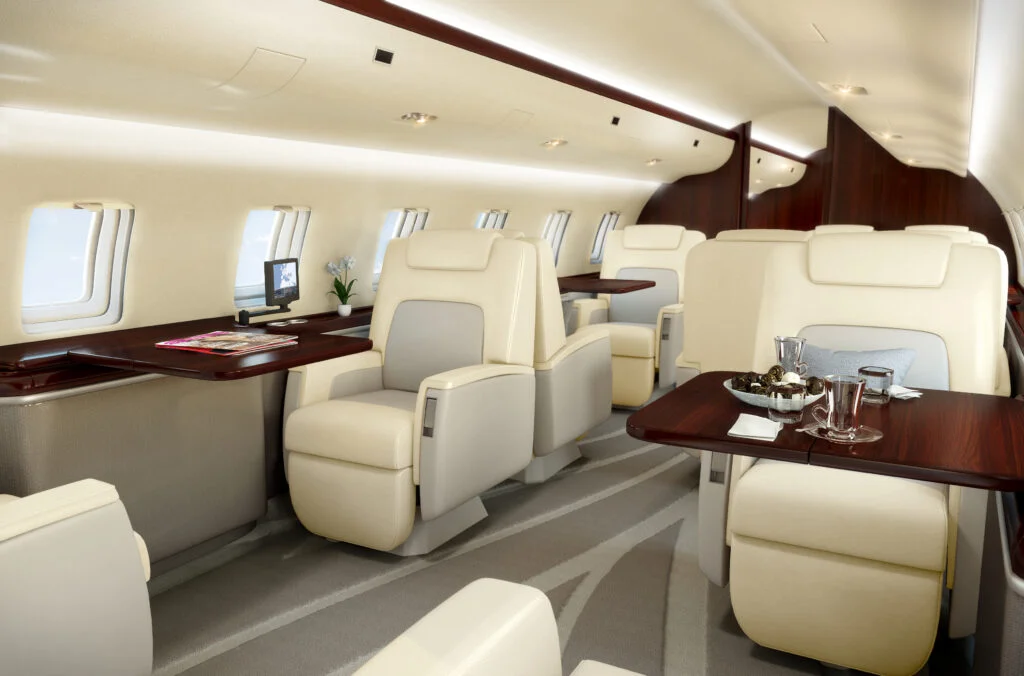
When it comes to luxury aviation, comfort and design go hand in hand. Every detail inside a private jet contributes to the passenger experience — from ambient lighting to the texture of the seats. Among these, aircraft upholstery plays one of the most crucial roles. It defines not just comfort but also the character and elegance of the cabin.
As private jet ownership rises across Houston and beyond, so does the demand for premium cabin refurbishment that blends style, technology, and durability. Modern jet owners no longer settle for standard interiors — they want custom-tailored upholstery that reflects their personality and enhances flight comfort.
At Tri-point Aviation, we specialize in transforming cabins with luxury upholstery materials, precision craftsmanship, and modern design trends that meet FAA safety standards. For a complete understanding of our detailing expertise, explore our Ultimate Guide to Aircraft Detailing — your comprehensive resource for aviation elegance and performance.
Why Aircraft Upholstery Matters in Private and Commercial Jets
While upholstery is often associated with aesthetics, in aviation, it serves multiple essential purposes beyond looks. Properly maintained aircraft upholstery improves comfort, reduces cabin noise, enhances safety, and preserves long-term aircraft value.
a. Passenger Comfort and Experience
High-quality materials ensure that passengers enjoy a smooth, temperature-controlled seating experience on long flights. Luxury upholstery adds tactile comfort and contributes to the quiet ambiance expected in private jet interiors.
b. Acoustic and Thermal Insulation
Premium aviation upholstery materials act as natural sound and temperature barriers, reducing vibration noise while maintaining an ideal cabin climate.
c. Compliance and Safety
All upholstery materials must comply with FAA flammability and toxicity standards. This makes professional refurbishment by certified technicians, like those at Tri-point Aviation, essential for maintaining both safety and style.
Upholstery care also plays a vital role in aircraft resale value. Well-maintained interiors signal a commitment to detail — something prospective buyers look for during evaluations.
For more insight into professional upkeep and cleaning, read our Top Techniques Every Aircraft Cabin Cleaner Uses for Immaculate Jet Interiors to see how detailers preserve every inch of luxury.
Trend #1: Sustainable and Eco-Friendly Materials
One of the strongest trends in aviation design is the shift toward sustainable aircraft upholstery. Eco-conscious jet owners are embracing materials that reduce environmental impact without compromising luxury.
Modern eco-leathers, plant-based fabrics, and recycled composites are replacing traditional animal hides and synthetics. These innovations are lightweight, durable, and designed to withstand altitude-related pressure changes.
Why Sustainability Matters in Aviation Upholstery
Reduced Carbon Footprint: Lightweight materials help lower fuel consumption.
Ethical Design Choices: Recycled or plant-based materials align with sustainable aviation practices.
Longer Lifespan: Eco-friendly materials often resist wear and UV damage better than older alternatives.
Tri-point Aviation leads the way with responsible design choices, offering eco-conscious refurbishment options that combine aesthetics with purpose. Learn more about how we deliver precision and sustainability in Aviation Detailing Services: How Tri-Point Aviation Delivers Precision and Perfection.
Trend #2: Lightweight and Durable Fabrics for Fuel Efficiency
Fuel efficiency isn’t only about aerodynamics — it’s also influenced by weight distribution inside the aircraft. Today’s aircraft designers and refurbishers prioritize lightweight upholstery materials that reduce the jet’s overall weight without sacrificing luxury.
Advanced materials like synthetic microfibers and high-performance weaves provide durability, flexibility, and resistance to abrasion. Compared to traditional leather or vinyl, these materials contribute to lower fuel consumption and enhanced sustainability.
In addition, modern aviation upholstery is designed for easy maintenance, ensuring long-term cost savings for jet owners. Tri-point Aviation integrates these materials into comprehensive Aircraft Maintenance plans to ensure both performance and elegance remain in harmony.
Trend #3: Custom Design and Personalization in Jet Interiors
Personalization has become the hallmark of luxury. Jet owners today are investing in custom aircraft upholstery that reflects their lifestyle, preferences, and brand identity.
Personalized Comfort and Aesthetics
From monogrammed headrests to hand-stitched logos and exclusive color palettes, every design element can be tailored. These details not only add individuality but also elevate the perception of the cabin environment.
Matching Interior Themes
Modern refurbishments coordinate upholstery with cabin lighting, flooring, and veneer finishes, creating a seamless and visually cohesive atmosphere.
In Houston, Tri-point Aviation stands out for offering bespoke cabin refurbishment solutions that integrate art, function, and safety. For those considering a complete transformation, visit The Art of Private Jet Customization: Creating a Cabin That Reflects Your Lifestyle and explore how our Bespoke Aircraft Solutions bring personal vision to life.

Trend #4: Smart Fabrics and Technology Integration
The future of aircraft upholstery is intelligent. Innovations in textile technology are giving rise to smart fabrics that not only look elegant but also actively enhance passenger comfort and cabin hygiene.
Temperature-Regulating Upholstery
Some premium materials can adjust their thermal properties according to cabin temperature, keeping passengers cool or warm as needed.
Antimicrobial and Moisture-Resistant Coatings
In a post-pandemic world, hygiene is paramount. Smart coatings resist bacterial growth, repel moisture, and simplify cleaning — perfect for maintaining high-end interiors between flights.
Electrically Conductive Fabrics
Advanced aircraft seating now incorporates conductive fibers for features like seat heating, massage systems, and device charging.
Tri-point Aviation remains ahead of the curve, integrating cutting-edge materials into our refurbishment projects. To explore how we pair innovation with artistry, see our Luxury Private Jet Interior Refurbishment guide — where comfort and craftsmanship take flight.
The Art of Craftsmanship in Aircraft Upholstery
Behind every luxurious private jet cabin lies the art of aviation craftsmanship. While materials and technology are important, it’s the hands and expertise of professional upholsterers that bring elegance to life.
At Tri-point Aviation, upholstery work is more than stitching fabric — it’s about precision, balance, and adherence to FAA-certified aviation standards. Our technicians combine traditional craftsmanship with modern techniques to achieve flawless finishes that enhance both comfort and safety.
Precision Stitching and Finishing
The finest aircraft upholstery is defined by clean seams, symmetrical stitching, and reinforced joints. These aren’t just aesthetic details — they ensure durability and structural integrity in high-altitude conditions.
Attention to Detail
Every panel, cushion, and sidewall covering must align perfectly with the aircraft’s contours. This attention to detail is what separates a basic refurbishment from a luxury-grade cabin transformation.
If you’re curious how upholstery integrates with broader aircraft restoration, explore Luxury Private Jet Interior Refurbishment: Redefining Comfort and Elegance in the Sky — our in-depth look at how design, craftsmanship, and engineering converge in high-end aviation interiors.
The Refurbishment Process: From Consultation to Installation
Refurbishing a jet’s interior is a highly technical process that requires planning, coordination, and expertise. At Tri-point Aviation, our aircraft upholstery refurbishment process follows a structured path to ensure precision and satisfaction.
Step 1: Consultation and Design Planning
Every project begins with an in-depth consultation to assess client goals and aircraft specifications. We discuss style preferences, materials, and functional requirements to create a personalized plan.
Step 2: Material Selection
Clients can choose from an extensive range of aviation-certified leathers, fabrics, and composites — from Italian full-grain leather to lightweight synthetic textiles engineered for endurance.
Step 3: Fabrication and Customization
Our craftsmen hand-cut, sew, and assemble each component to fit exact cabin dimensions. This ensures seamless integration with existing structures and avionics.
Step 4: Installation and Quality Inspection
After fabrication, each upholstery component is installed under strict quality control. The cabin undergoes thorough inspection to ensure comfort, safety, and regulatory compliance before delivery.
This same attention to precision is reflected across our full service suite — learn more at Tri-point Aviation Services for a comprehensive look at our maintenance, detailing, and interior capabilities.
Cost Factors and ROI of High-Quality Upholstery
Investing in premium aircraft upholstery is not just about aesthetics — it’s a long-term investment in safety, comfort, and aircraft value.
Key Factors Influencing Upholstery Costs
Material Type: Natural leather and custom fabrics increase costs but offer superior longevity.
Cabin Size: Larger cabins require more materials and labor hours.
Customization Level: Embroidery, stitching patterns, and branded finishes add to design complexity.
Compliance Requirements: FAA-approved materials and certifications influence total pricing.
The ROI of Professional Refurbishment
High-quality upholstery not only enhances resale value but also reduces maintenance costs over time. Passengers enjoy a refined cabin experience, and aircraft owners gain a more marketable asset.
For a deeper understanding of maintenance value and lifecycle savings, see our related post — Evolution of Maintenance in Aviation: From Manual Logs to Predictive MRO — which discusses how predictive care protects your aviation investments.
Conclusion: Elevating the Standards of Luxury Aviation
Aircraft upholstery defines how comfort and craftsmanship come together at 40,000 feet. As aviation evolves, so does the expectation for interiors that are sustainable, customizable, and intelligently designed.
For Houston jet owners, Tri-point Aviation remains the trusted partner for aircraft cabin refurbishment that balances aesthetics, innovation, and FAA compliance. Whether you’re refreshing your private jet or preparing it for resale, our team ensures your cabin reflects both luxury and longevity.
Explore our complete range of interior services and customization options on our Aircraft Interior Refurbishment page, or contact us to start planning your next cabin transformation.


