- By Steven
- July 9, 2025
- Comments (0)
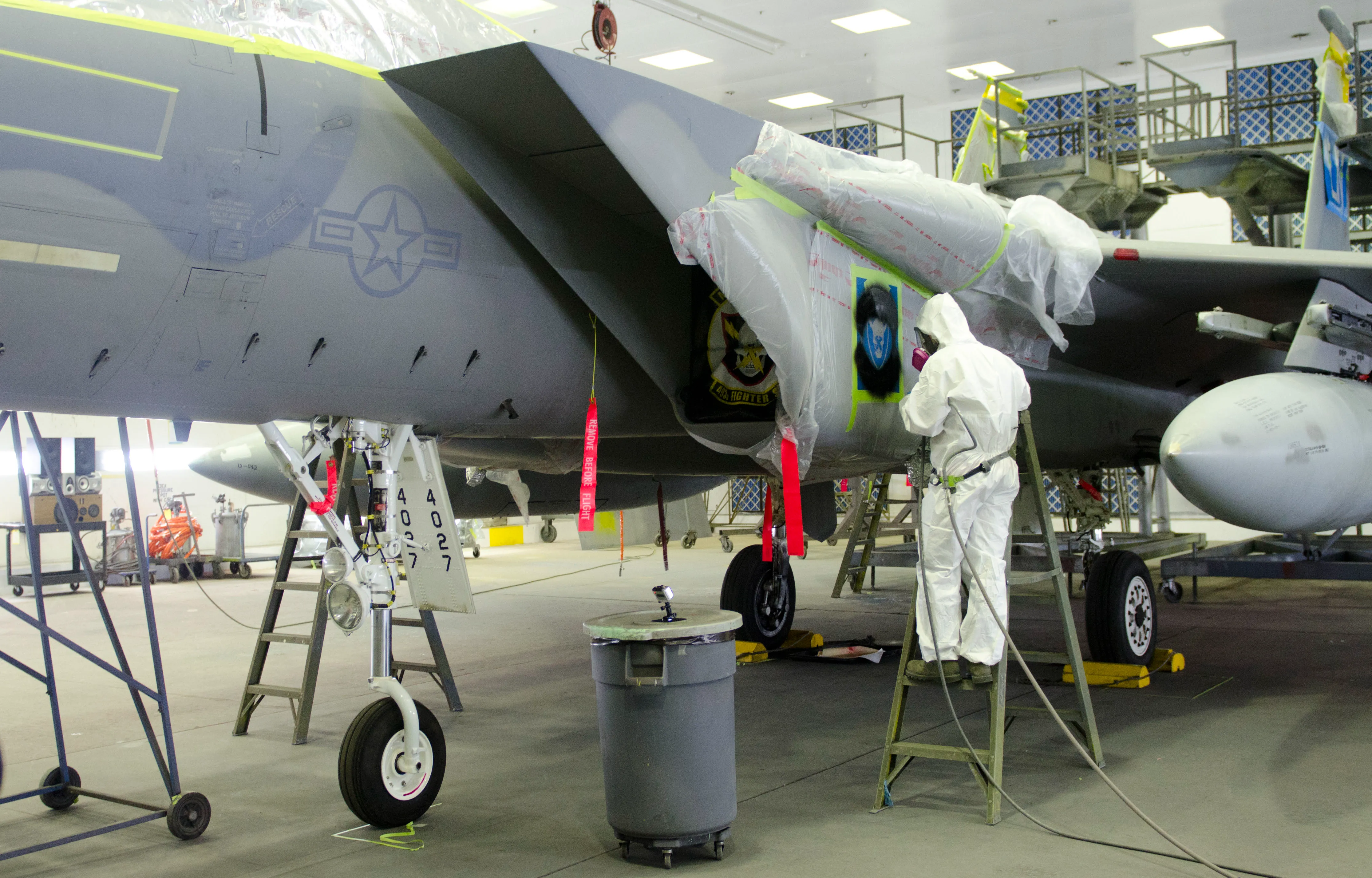
When it comes to aviation safety and aircraft longevity, aircraft corrosion protection stands as one of the most essential maintenance priorities. Corrosion in aircraft not only weakens structural integrity but also jeopardizes performance, safety, and resale value. Whether you own a private jet, operate a fleet, or provide maintenance services, understanding modern aircraft corrosion treatment options is crucial to keeping your aircraft flight-ready and compliant.
At Tri-Point Aviation, we believe proactive protection is the best defense against costly repairs. In this guide, we’ll explore the leading methods of protecting your aircraft from corrosion, signs to look for, and how proper maintenance strategies ensure long-term performance and reliability.
What Is Aircraft Corrosion?
Corrosion in aircraft is the gradual deterioration of metal components caused by chemical reactions between the aircraft’s materials and environmental elements like moisture, salt, and industrial pollutants. This degradation can compromise load-bearing structures, landing gear, fasteners, and internal systems.
There are several types of corrosion in aviation, including:
Surface corrosion: Often caused by salt and moisture accumulation.
Galvanic corrosion: Occurs when dissimilar metals contact in the presence of an electrolyte.
Pitting corrosion: Localized and aggressive, often found on aluminum.
Intergranular corrosion: Affects the grain boundaries of the material, making it hard to detect visually.
Unaddressed, these can lead to failures that compromise both aviation safety and aircraft value.
To learn more about how preventative maintenance supports operational safety, visit our post on The Real Cost of Aircraft Maintenance Errors.
Why Aircraft Corrosion Protection Matters
The importance of aircraft corrosion protection cannot be overstated. A well-maintained aircraft retains value, performs reliably, and avoids unexpected grounding. Effective protection measures reduce long-term repair costs, ensure FAA compliance, and extend the lifespan of your investment.
Owners working with Tri-Point Aviation benefit from our Luxury Aviation Consulting team, who help you implement cost-effective and tailored maintenance strategies including corrosion control.

Top Aircraft Corrosion Protection Methods
1. Regular Aircraft Washing and Detailing
Dirt, salts, and pollutants accumulate quickly—especially when operating in humid or coastal environments. Thorough aircraft cleaning and detailing not only maintain your aircraft’s appearance but also remove corrosion-inducing contaminants.
Our Aircraft Detailing Services include specialized cleaning materials and corrosion-resistant treatments designed to protect both interior and exterior surfaces.
Discover more about detailing best practices in our blog: The Ultimate Guide to Aircraft Detailing.
2. Aircraft Ceramic Coating
Ceramic coatings provide a high-performance barrier between your aircraft’s exterior and harsh environmental conditions. This modern solution is hydrophobic, UV-resistant, and helps prevent corrosion on painted and metallic surfaces.
Learn how ceramic technology enhances corrosion resistance in our post on Aircraft Ceramic Coating Benefits.
3. Use of Anti-Corrosion Compounds
Many maintenance programs apply corrosion-inhibiting compounds (CICs) in critical areas like wheel wells, control surfaces, and fuel tanks. These oils and sprays create a protective layer that prevents moisture contact and metal oxidation.
This is a common practice in Tactical Aircraft Maintenance, especially for military or high-performance aircraft that endure aggressive environments.
4. Scheduled Corrosion Inspections
Routine visual inspections and borescope evaluations detect early signs of corrosion before they progress. A structured Aircraft Maintenance plan includes inspections of hard-to-reach components, joints, and airframe cavities where corrosion often starts.
For engines, we also recommend mid-cycle Hot Section Inspections, which can reveal internal corrosion and heat damage.
5. Environmental Storage Solutions
Storing your aircraft in controlled environments reduces humidity exposure and condensation—key contributors to corrosion. When hangaring isn’t possible, applying dehumidifiers or desiccant bags inside the aircraft can help.
Owners interested in strategic planning should explore our Bespoke Aircraft Solutions for assistance with optimized maintenance and storage arrangements.
Signs of Corrosion to Watch For
Catch corrosion early by watching for these warning signs:
Bubbles or blisters in paint
Discoloration or white powder on metal
Surface pitting or flaking
Oil seepage near fasteners or seams
Cracking or crazing around windows or rivets
Our blog on Understanding Aircraft TBO also explains how long-term use impacts internal components—some of which may corrode over time without visible symptoms.
Corrosion Treatment and Repair Methods
If corrosion is detected, swift treatment is essential. Common aircraft corrosion treatment methods include:
Chemical Cleaning: Removes oxides and prepares the surface for repainting.
Mechanical Removal: Involves sanding, grinding, or blasting corroded metal.
Protective Coatings: Applied after removal to prevent recurrence.
Component Replacement: In cases of severe corrosion.
Working with a certified team like Tri-Point Aviation ensures compliance with safety standards and restoration of airworthiness.
Final Thoughts on Corrosion in Aircraft
Investing in aircraft corrosion protection is investing in aviation safety, long-term value, and operational peace of mind. From ceramic coatings to advanced inspections, modern corrosion prevention strategies are accessible and essential.
Whether you’re a private owner or operate a full fleet, Tri-Point Aviation is your trusted partner for elite maintenance. Explore our complete Aircraft Services and Blog for more insights, or Contact Us for a custom corrosion control plan.
For more answers, explore our FAQs or learn about industry trends like Turboprop vs Jet Engine Performance.


