- By Steven
- July 18, 2025
- Comments (0)
The aircraft fuel system plays a vital role in safe and efficient flight operations. It ensures the proper delivery of fuel from storage tanks to the engine, maintaining performance, endurance, and engine integrity. Whether you’re a private jet owner or managing a fleet, understanding how this system works — and when it needs servicing — is crucial.
In this guide, we’ll explore how aircraft fuel systems function, the components involved (including the aircraft fuel pump), and the role of aircraft maintenance services in keeping these systems operational. We’ll also discuss how maintenance repair and overhaul services (MRO) contribute to the longevity and safety of your aircraft.
Understanding the Aircraft Fuel System: Components and Functions
At its core, an aircraft fuel system is designed to store and deliver fuel efficiently and reliably to the aircraft’s engines. Its complexity depends on the aircraft’s size, type, and purpose. However, all systems share some key components:
Fuel Tanks
These are the primary storage units located in the wings or fuselage. They’re designed to prevent leakage and manage temperature and pressure differences during flight.
Aircraft Fuel Pump
One of the most critical components, the aircraft fuel pump ensures continuous fuel flow to the engine. Aircraft typically have multiple pumps — engine-driven and electrically powered — for redundancy and safety.
Fuel Filters and Lines
Filters remove contaminants before the fuel reaches the combustion chamber. The lines, made from high-grade materials, route fuel efficiently throughout the aircraft.
Control Valves and Gauges
Valves manage the direction and amount of fuel flow, while gauges help pilots monitor fuel levels and flow rates in real time.

Types of Aircraft Fuel Systems
Gravity-Fed Systems
Common in small aircraft, these rely on gravity to move fuel from tanks to the engine. They’re simpler but limited in application.
Pump-Fed Systems
Used in high-performance and commercial aircraft, these systems depend on aircraft fuel pumps for reliable delivery, especially during high-altitude or aerobatic operations.
When to Service Your Aircraft Fuel System
Timely servicing is essential to prevent system failure, ensure flight safety, and avoid costly repairs. Here’s how to know when your fuel system needs attention:
Irregular Fuel Pressure Readings
Fluctuating pressure or engine performance issues may indicate fuel pump or filter problems.
Contaminated Fuel
Water, debris, or microbial growth in the fuel tanks is a common issue that calls for immediate aircraft maintenance services.
Scheduled Maintenance
Manufacturers provide service intervals for components like fuel pumps, filters, and valves. Adhering to these schedules ensures reliability and compliance with aviation regulations.
Post-Flight Inspections
Routine post-flight checks can identify early warning signs — including leaks, corrosion, or unusual fuel consumption.
For more on reliable aircraft upkeep, check out our post on The Real Cost of Aircraft Maintenance Errors.
The Role of Maintenance Repair and Overhaul Services (MRO)
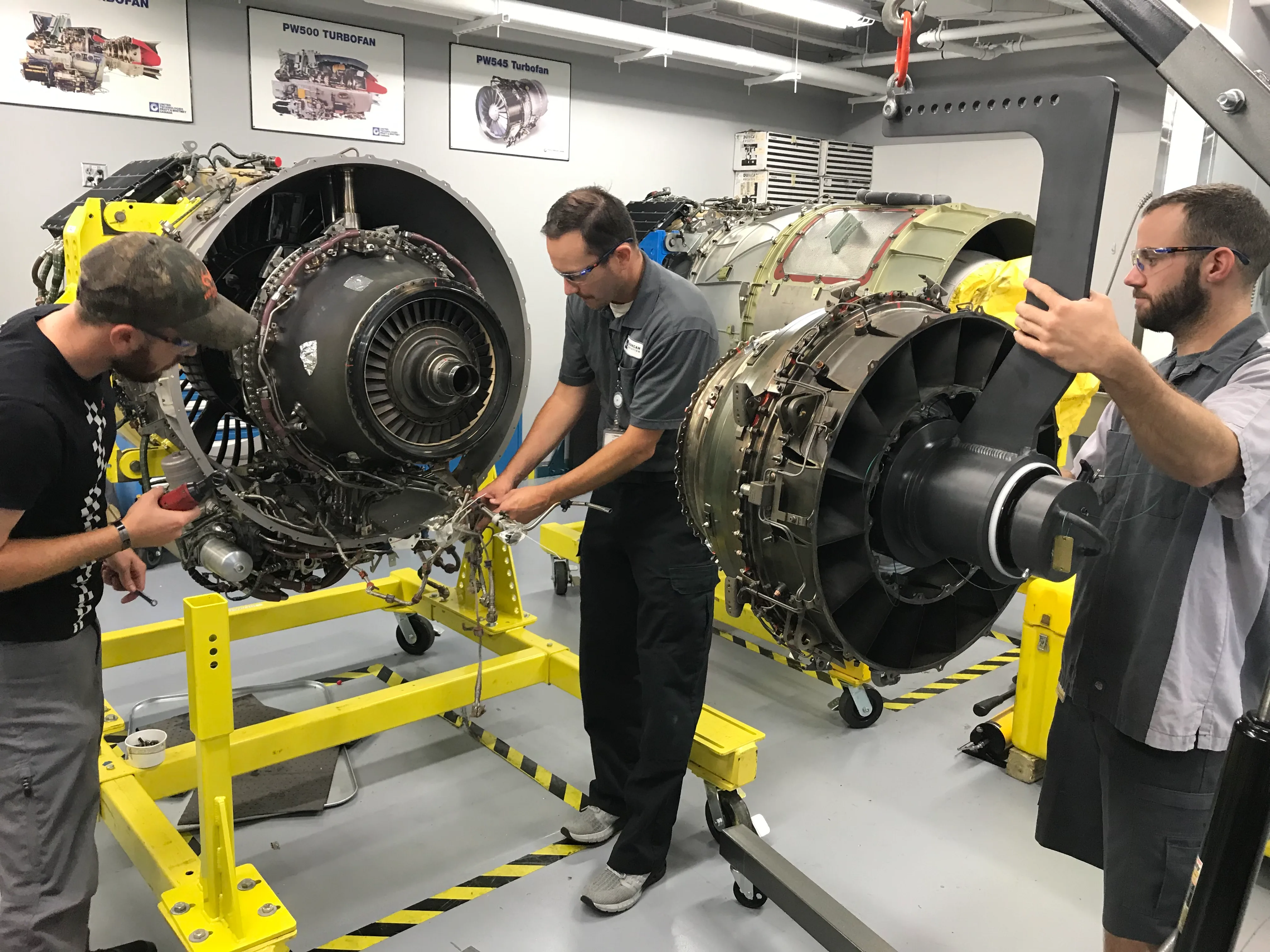
Professional maintenance repair and overhaul services are essential for detecting issues, replacing worn parts, and upgrading system components. MRO services typically include:
Fuel System Flushing and Cleaning
Fuel Pump Testing and Overhaul
Leak Checks and Valve Calibration
Filter Replacements
If you’re managing multiple aircraft, regular MRO ensures your aircraft fleet management remains cost-effective and safe. Learn how aircraft fleet management solutions integrate MRO into long-term operational success.
Upgrades and Innovations in Aircraft Fuel Systems
Technological innovations have brought more reliable and efficient fuel systems:
Digital Fuel Monitoring
These systems provide real-time diagnostics and alerts to prevent mid-air issues.Lightweight Composite Fuel Tanks
Reduce aircraft weight while improving fuel efficiency.Smart Fuel Pumps
Offer higher precision and self-diagnostics to optimize engine performance.
If you’re considering system upgrades, consult with aircraft maintenance professionals for tailored solutions based on your aircraft’s mission profile.
Tips for Preventing Fuel System Failures
Use Only Approved Fuel Types
Avoid contamination and maintain engine performance.Schedule Periodic Inspections
Prevents buildup of sediments or microbial growth.Monitor Fuel Pump Performance
A failing aircraft fuel pump can be a precursor to engine issues.Train Pilots and Crew
Educate them on fuel system warnings and emergency protocols.
For added aircraft protection, consider investing in aircraft ceramic coating to enhance fuel system access panels and resist corrosion around tanks and lines.
Tri-Point Aviation: Your Partner in Aircraft Fuel System Maintenance
At Tri-Point Aviation, we specialize in comprehensive aircraft maintenance services, including advanced fuel system diagnostics and MRO. Whether you’re an individual operator or managing a fleet, our team offers custom solutions for your aircraft.
Explore our services and learn how our luxury aviation consulting can help you improve aircraft performance and longevity. You can also check our FAQs or contact us for personalized advice.
Conclusion
The aircraft fuel system is one of the most essential — yet often overlooked — parts of your aircraft’s performance and safety. By understanding how it works, recognizing when service is needed, and partnering with trusted MRO professionals, you can prevent costly failures and ensure every flight runs smoothly.
Ready to take your aircraft’s performance to the next level? Visit our aircraft maintenance page or explore the full Tri-Point Aviation blog for more expert insights.
