- By Steven
- July 11, 2025
- Comments (0)
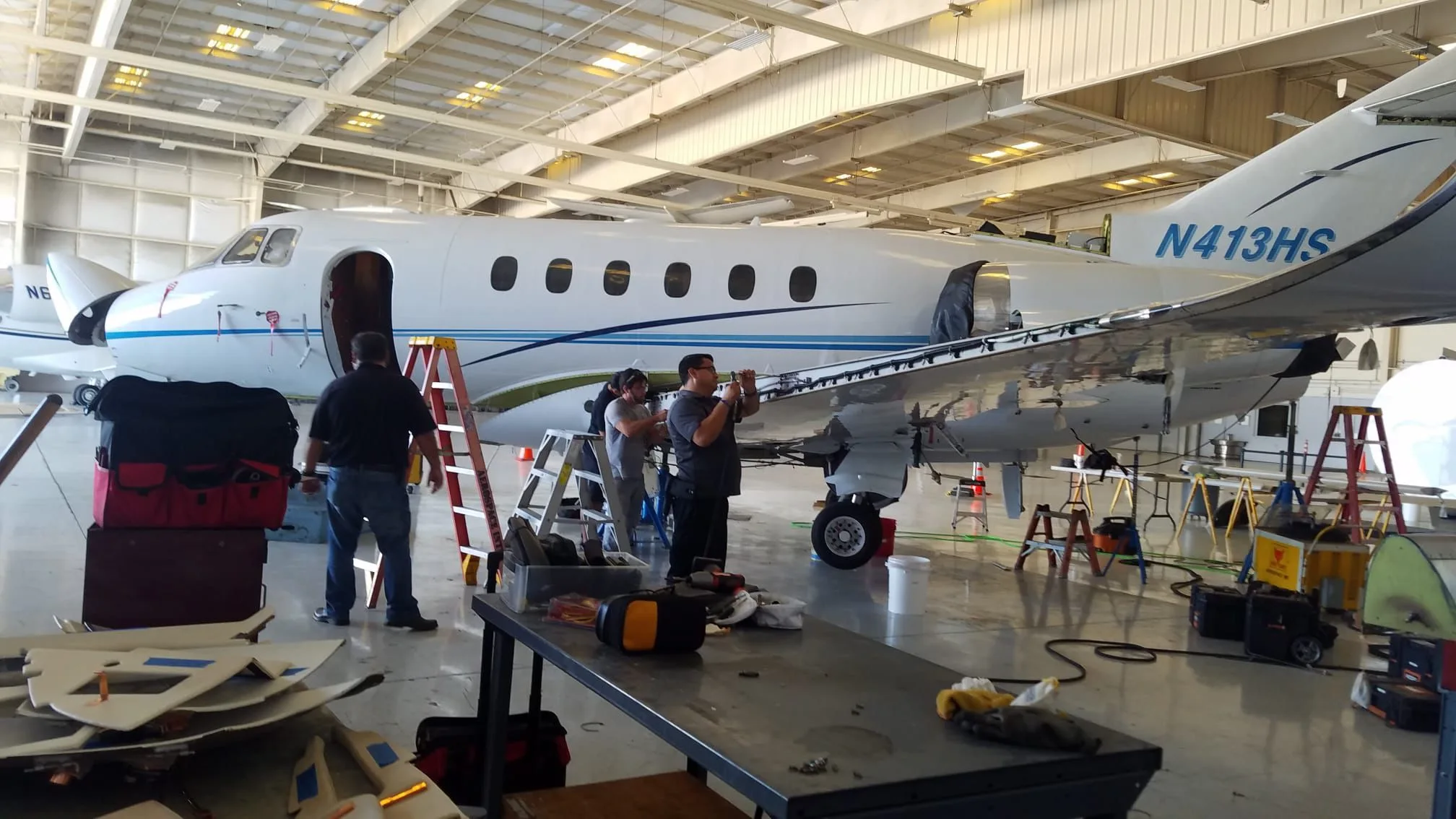
In the aviation industry, ensuring the integrity of an aircraft’s structure is not just a matter of aesthetics or performance—it’s a matter of safety. Aircraft structural maintenance is one of the most critical aspects of aviation MRO (Maintenance, Repair, and Overhaul), involving meticulous inspections, repairs, and reinforcements of the structural components that keep an aircraft airworthy.
This comprehensive guide explores what aircraft structural maintenance entails, the techniques used, and the promising career path of an aircraft structures mechanic in the modern aviation industry.
What Is Aircraft Structural Maintenance?
Aircraft structural maintenance focuses on preserving and repairing the physical framework of an aircraft. This includes the fuselage, wings, empennage (tail section), doors, windows, and landing gear attachment points.
The goal is to ensure the aircraft maintains its structural integrity, particularly under the immense stress and pressure of repeated flight cycles. Any compromise in structural soundness can lead to serious operational failures, which is why routine structural maintenance is a core aspect of aviation MRO programs.
To understand the wider role of structural upkeep in aviation performance, visit our blog: The Real Cost of Aircraft Maintenance Errors.
Core Techniques in Aircraft Structural Maintenance
Modern aircraft structural maintenance combines both traditional craftsmanship and cutting-edge technology. Here are the most common techniques:
Non-Destructive Testing (NDT)
Technicians use NDT methods such as ultrasonic testing, radiography, and dye penetrant inspections to detect hidden cracks or corrosion without disassembling parts. These inspections ensure components remain structurally sound without causing additional damage.
Sheet Metal Repair and Fabrication
Since many aircraft structures are made from aluminum or composite skins, sheet metal repair is a foundational skill. Aircraft structures mechanics often fabricate replacement parts and reinforce stress points with rivets, fasteners, and doubler plates.
Corrosion Control and Treatment
Corrosion is a silent enemy in aviation. Regular treatment, painting, and application of anti-corrosion compounds prevent degradation of the airframe. Learn more about protective measures in our post on Aircraft Corrosion Protection.
Composite Repairs
Modern aircraft increasingly use composite materials like carbon fiber. These require special skills and materials for bonding, layering, and curing damaged sections, making this area of maintenance highly specialized.
Structural Modifications
Aircraft often undergo structural modifications for mission changes or compliance upgrades. These might include altering internal support structures, reinforcing hardpoints, or upgrading cabin interiors. Visit our Aircraft Modification Services for more details.

Why Structural Maintenance Is Critical
Aircraft are subjected to intense physical stress during every flight: pressurization cycles, turbulence, landings, and temperature extremes all contribute to metal fatigue and wear. Left unaddressed, these issues can evolve into catastrophic failures.
Effective structural maintenance minimizes downtime, enhances safety, and extends the service life of an aircraft. This is particularly important in corporate and charter aviation, where reliability is tied directly to business success. Learn how our Tactical Aircraft Maintenance strategies support operational readiness.
Becoming an Aircraft Structures Mechanic
As the aviation industry expands, demand for skilled aircraft structures mechanics continues to grow. These professionals are responsible for diagnosing, repairing, and documenting all structural work done on an aircraft.
Required Skills and Training:
Knowledge of aircraft materials and fabrication
Precision measurement and blueprint reading
Familiarity with NDT and corrosion treatment
Certification from an FAA-approved school or military training
Many aspiring technicians start through apprenticeships or aviation technical schools. Explore career guidance and training paths in our post on A&P Mechanic Apprenticeship.
Career Outlook:
According to recent labor statistics, the average salary for an aircraft structural mechanic ranges between $50,000 and $80,000 annually, depending on experience and certification. The career also offers opportunities for growth into inspection, quality control, or MRO management roles.
Aircraft Structural Maintenance in MRO Operations
MRO facilities are the lifeline of aviation, and maintenance, repair and overhaul aviation operations rely heavily on structural expertise. Aircraft may enter MRO shops for scheduled heavy checks, modifications, or post-incident inspections.
Structural work in MRO settings includes:
Major fuselage inspections and repairs
Wingbox and pylon reinforcements
Cabin floor panel replacements
Damage assessment and insurance inspections
Tri-Point Aviation offers comprehensive Aircraft Maintenance Services including structural assessments, repairs, and upgrades tailored to your fleet’s mission profile.
Advancing Aviation Safety Through Structural Integrity
Structural maintenance not only keeps aircraft flying safely but also plays a pivotal role in maintaining resale value and compliance. Regulatory authorities like the FAA require detailed records of structural inspections and repairs as part of airworthiness.
To ensure the highest safety standards, Tri-Point Aviation implements proactive inspection intervals and customized MRO solutions for both commercial and private operators. Our integrated approach combines Luxury Aviation Consulting with hands-on maintenance excellence.
Final Thoughts: Investing in Structural Maintenance Pays Off
For aircraft owners, operators, and fleet managers, structural integrity is not negotiable. From NDT and corrosion treatment to modification and repair, investing in aircraft structural maintenance means safeguarding lives, uptime, and asset value.
If you’re looking to streamline your maintenance operations or launch a career as an aircraft structures mechanic, Tri-Point Aviation has the expertise, tools, and team to support your journey.
Visit our Homepage for more services or browse our Blog for additional insights. For questions or personalized guidance, check out our FAQs or Contact Us.


