- By Steven
- August 22, 2025
- Comments (0)
Owning a private jet is a symbol of luxury, independence, and efficiency. But with this privilege comes the responsibility of ensuring your aircraft remains safe, reliable, and compliant with aviation standards. One of the most significant investments jet owners face is aircraft engine overhaul cost. Understanding what drives these costs, when overhauls are necessary, and how to budget for them is essential for any aircraft owner or operator.
In this guide, we’ll break down everything you need to know about aircraft engine overhaul cost—from influencing factors to maintenance planning—so you can make informed decisions while keeping your jet in peak condition.
Why Aircraft Engine Overhaul Matters
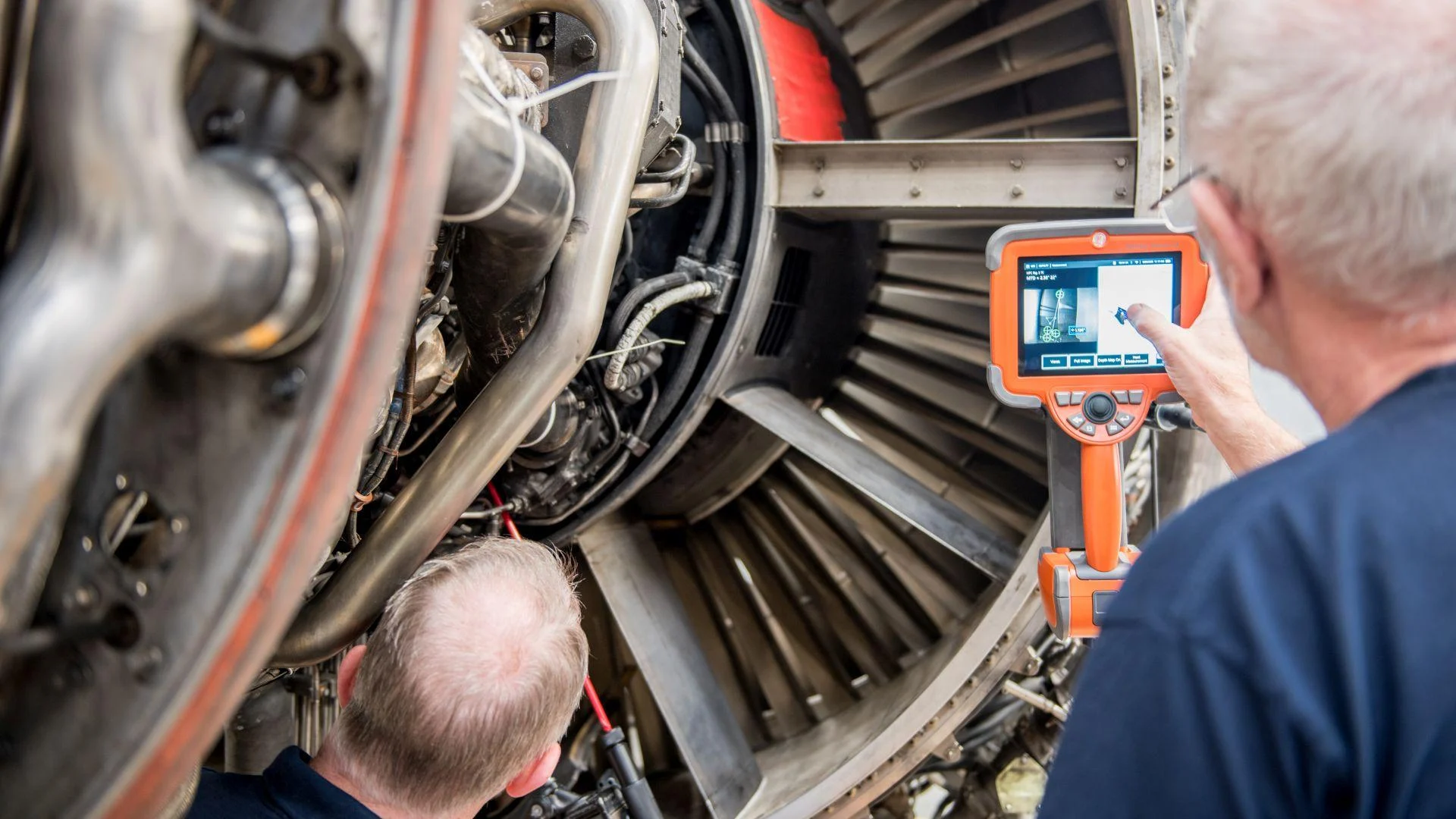
Aircraft engines are the heart of your jet. Over time, normal wear and tear impact their efficiency, performance, and safety. Overhauls are major maintenance events that involve disassembling, inspecting, repairing, and reassembling the engine to restore it to “like-new” condition.
Neglecting or delaying an overhaul can compromise flight safety, increase the risk of costly unscheduled repairs, and reduce your jet’s resale value. That’s why overhaul costs, while significant, are an investment in long-term reliability.
For a deeper understanding of required upkeep, see our Aircraft Maintenance Services: The Complete Guide.
What Is an Aircraft Engine Overhaul?
An aircraft engine overhaul is more than routine maintenance—it’s a comprehensive renewal process. It involves:
Complete disassembly of the engine.
Cleaning and non-destructive testing of components.
Replacement of worn or damaged parts.
Reassembly and calibration to original equipment manufacturer (OEM) specifications.
Rigorous testing to ensure airworthiness.
There are two primary types:
Hot Section Inspection (HSI): Focuses on the high-temperature sections of the engine (turbine blades, combustion chamber).
Major Overhaul: A full teardown and rebuild, typically required at manufacturer-recommended time intervals (TBO—Time Between Overhaul).
Factors That Influence Aircraft Engine Overhaul Cost
The cost of overhauling an aircraft engine can vary widely, often ranging from hundreds of thousands to millions of dollars. Key cost drivers include:
1. Engine Type and Size
Smaller piston engines cost far less to overhaul than large turbofan engines used in business jets.
2. Manufacturer Guidelines
OEM recommendations determine replacement intervals and required parts, impacting the total price.
3. Labor and Expertise
Overhauls require highly skilled technicians, making labor a significant portion of the cost.
4. Replacement Parts
Original parts from manufacturers can be expensive, but they ensure compliance and performance.
5. Level of Wear
Engines with more wear or damage will require more parts replacement, increasing costs.
For more insights into avoiding expensive surprises, check out our guide on Unscheduled Aircraft Maintenance.

Typical Aircraft Engine Overhaul Cost Ranges
While exact figures depend on the above factors, here’s a general idea:
Small piston engines: $20,000 – $50,000
Turboprop engines: $200,000 – $500,000
Turbofan engines (business jets): $500,000 – $1M+ per engine
These figures highlight why maintenance planning is crucial. Explore our detailed breakdown in How Much Does It Cost to Maintain a Private Jet?.
Scheduled vs. Unscheduled Costs
Not all overhaul expenses are predictable.
Scheduled Overhauls: Follow manufacturer timelines and allow owners to budget in advance. Learn more in our Scheduled Aircraft Maintenance guide.
Unscheduled Overhauls: Occur due to unexpected engine damage, which can dramatically increase costs.
Budgeting for both scenarios ensures you’re prepared.
Planning for Aircraft Engine Overhaul
A proactive approach reduces long-term expenses and keeps your aircraft compliant:
1. Maintenance Tracking
Use digital tools to monitor flight hours and engine cycles, ensuring you never miss overhaul intervals.
2. Partner With Professionals
Work with trusted providers like Tri-Point Aviation, who specialize in Aircraft Maintenance & Support
3. Consider Training Benefits
If you’re an operator or aviation professional, investing in Aviation Maintenance Training in Houston can give you a deeper understanding of maintenance planning.
Reducing Aircraft Engine Overhaul Cost
While you can’t avoid overhaul costs, you can minimize them by:
Performing regular inspections—see our Aircraft Maintenance Checklist.
Ensuring timely oil analysis and part replacements.
Partnering with experts for efficient maintenance.
Considering resale value—well-maintained engines retain aircraft marketability.
Why Choose Tri-Point Aviation for Overhaul and Maintenance
At Tri-Point Aviation, we combine precision, expertise, and personalized service to provide seamless aircraft maintenance solutions. Whether you need a routine inspection, a major overhaul, or luxury upgrades, our team ensures your aircraft performs at its peak.
Explore our range of services:
Ready to schedule your next service? Contact us today to discuss your overhaul and maintenance needs.


